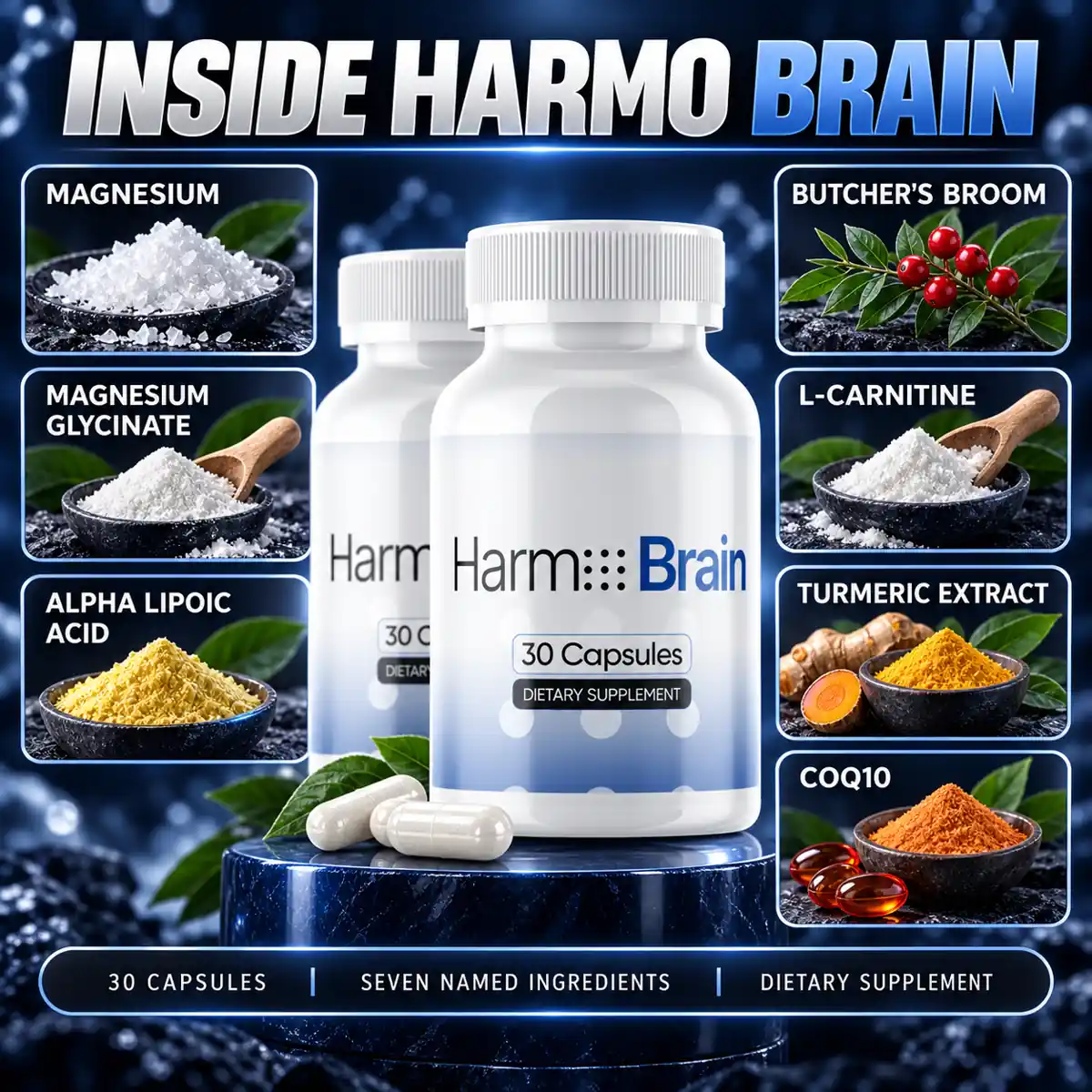
- The plant. A Mediterranean evergreen shrub; the root is the part extracted.
- The role. The circulation half of a mitochondrial and circulatory formula.
- The research. Leg veins and low blood pressure, not the brain.
- The place. Third of six in a 575 mg blend: at most about 192 mg by order alone.
The plant and the part used
Butcher’s broom is a low, spiny evergreen shrub from the Mediterranean, named, the story goes, because butchers once used its stiff branches to scrub their blocks. The part used in supplements is the root, and the label names it precisely: Ruscus aculeatus root extract.
In European herbal practice it has a long association with the legs rather than the head: heavy, tired legs and visible veins. That association is where nearly all of its research comes from.
It is also sold on its own and in combination products for the legs. That is worth remembering for the cupboard check later in this article, because the same root extract can arrive from two different bottles.
Why a vein botanical is in a brain formula
The seller describes Harmo Brain as a mitochondrial and circulatory formula. Four of the six blend materials are energy chemistry, and one, turmeric, fits neither word. Butcher’s broom is the whole of the circulation half. The label itself does not sort its materials; the grouping below is this desk’s reading of the seller’s two words against the six names.
| Half of the description | Blend materials | Place in the blend |
|---|---|---|
| Mitochondrial | Magnesium Glycinate, Alpha Lipoic Acid, L-Carnitine, Coenzyme Q10 | 1st, 2nd, 4th and 6th |
| Circulatory | Butcher’s Broom | 3rd |
| Neither word | Turmeric Extract | 5th |
The grouping follows the seller’s own description, a mitochondrial and circulatory formula. It describes what each material is, not what the capsule does.
The logic of the description is easy to follow: the brain is a heavy user of both energy and blood flow. What a buyer should ask is whether the research on each material reaches the brain, and for butcher’s broom the honest answer is that the studies cited here are about veins.
What the vein research looked at
The largest body of evidence is on a combination product. A meta-analysis pooled the clinical trials of a capsule combining 150 mg of Ruscus root extract with 150 mg of hesperidin methyl chalcone and 100 mg of vitamin C, in 10,246 people with chronic venous insufficiency, a condition in which leg veins struggle to return blood to the heart.
Two things about that evidence matter for a reader here. It concerns a three-ingredient capsule, so its results belong to the combination, not to Ruscus alone. And it concerns people with a diagnosed vein condition, measured on leg symptoms, which is a long way from a healthy adult’s concentration at a desk.
How Ruscus acts on veins
A review with a case report describes the mechanism behind that vein work: Ruscus acts on alpha-adrenergic receptors, the same receptors the body uses to tighten blood vessels, and constricts veins. The same review proposed it as a possible remedy for orthostatic hypotension, the drop in blood pressure some people feel on standing up.
That is the useful fact to carry away. The circulatory action that has been described for Ruscus is a tightening one, in veins, and its most direct consequence is on blood pressure rather than on anything measured in the brain.
The whole blend, one capsule a day
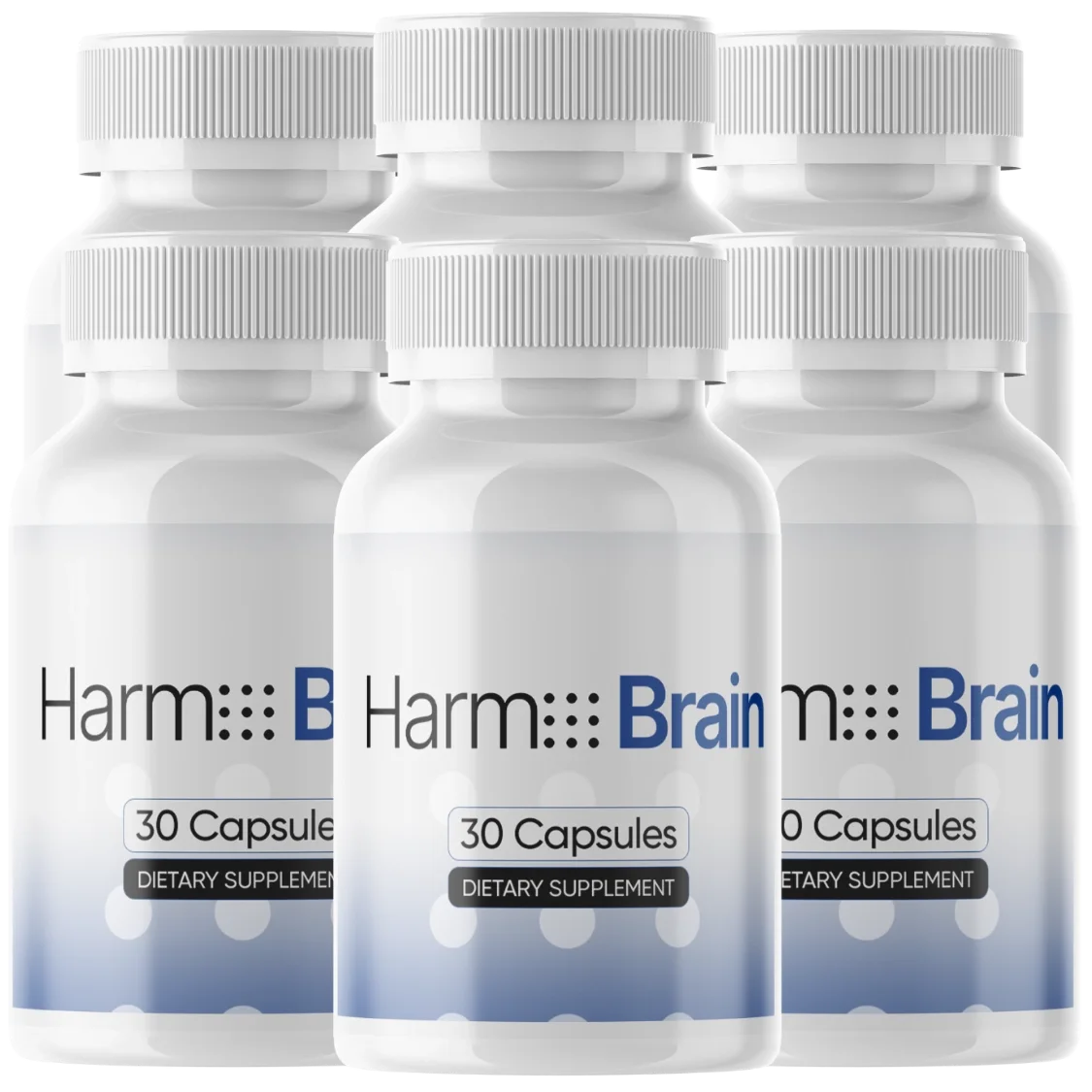
Butcher’s broom is one of six materials in a 575 mg blend. Order Harmo Brain through the official checkout.
Price at checkout · 60 days from purchase
Third in a blend of six
The label does not give butcher’s broom its own amount; it sits inside the 575 mg blend. Its place does set a ceiling. As the third of six in a list that runs heaviest first, it can weigh no more than a third of the blend, about 192 mg, and it sits above L-carnitine, turmeric and CoQ10 by weight.
The combination capsule in the vein trials carried 150 mg of Ruscus extract alongside two other active ingredients. There is no way to read from the label whether the capsule holds more, less or about the same, and this website does not guess. What can be said is narrower and still useful: the capsule contains Ruscus root extract, it sits in the upper half of the blend by order, and it shares the 575 mg with five other materials. The full method for reading the blend is in reading a 575 mg blend.
Circulation, the brain and the artwork
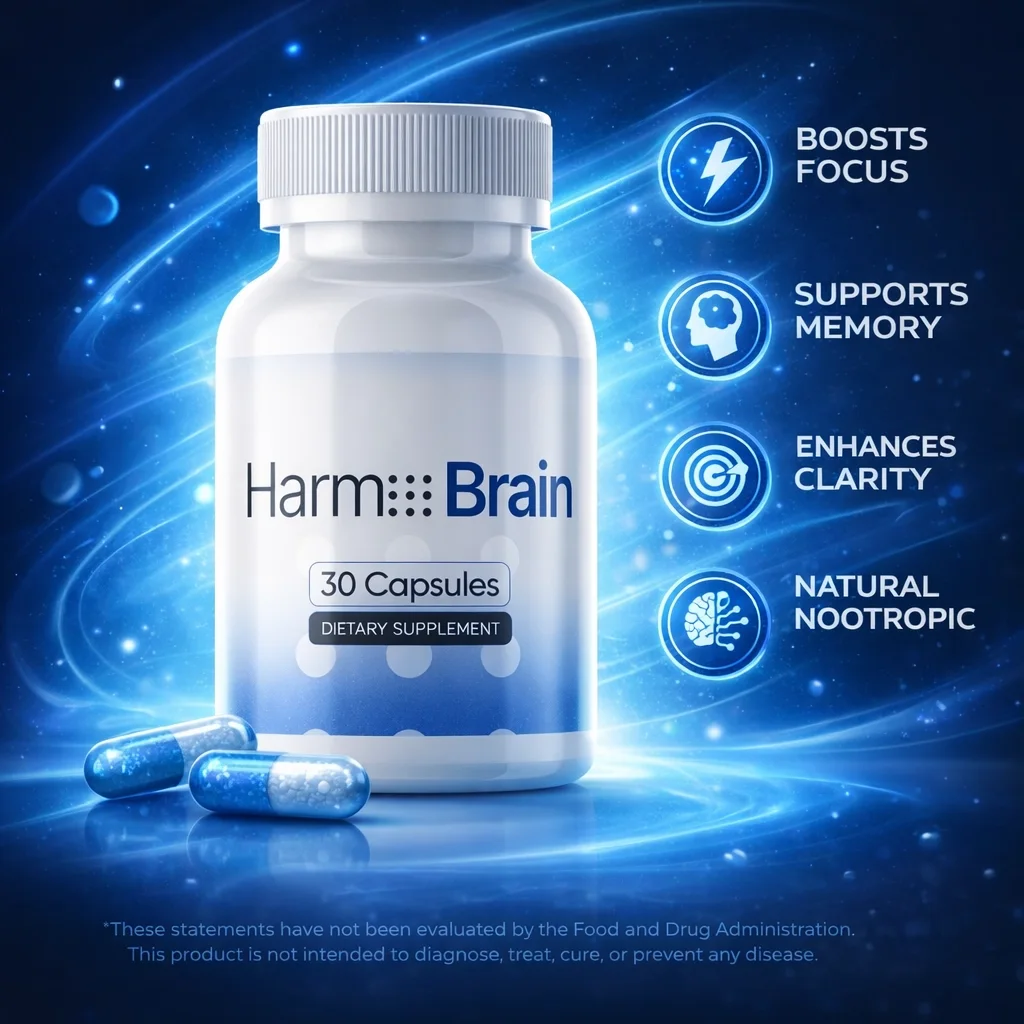
The seller’s benefits artwork uses brain words: focus, memory, clarity. The label’s own description is narrower, a mitochondrial and circulatory formula, and for butcher’s broom the label’s word, circulatory, is the one the research supports.
Advertised health claims need competent and reliable scientific evidence. A vein finding in people with a vein condition is evidence about veins. It is worth knowing exactly that, and no more, when the same word, circulation, is used on a box about the brain.
Who should mention it
- Anyone taking blood-pressure medicine, or told their blood pressure is high: Ruscus tightens veins and was proposed as a remedy for low pressure.
- Anyone already taking a vein product, many of which contain Ruscus.
- Anyone pregnant or nursing: the label rules the capsule out entirely.
- Anyone on a medication, as the label’s own caution asks.
For most healthy adults, a vein botanical at the amount a single capsule can hold is a modest thing. The list is about who should say its name out loud to a prescriber. The safety page sets it beside the other five points for the blend.
The other half of the description
Butcher’s broom is easier to place once the rest of the blend is in view. The mitochondrial half is four materials, each with a plain job description:
- Magnesium glycinate, first and heaviest: the carrier of the printed 80 mg of magnesium, a mineral used by the enzymes that make energy.
- Alpha lipoic acid, second: a compound the body makes and uses inside mitochondrial enzymes.
- L-carnitine, fourth: the shuttle that carries fatty acids into mitochondria to be burned for energy.
- Coenzyme Q10, sixth and lightest: a link in the chain that turns fuel into usable energy, here as ubiquinone.
Turmeric extract, fifth, fits neither word; its research is about memory in one long trial and about how poorly curcumin is absorbed. Butcher’s broom, third, is the only material whose research is about blood vessels. Each has a card, with its tag and its place in the blend, on the ingredients page.
Questions readers ask about butcher’s broom
Can I take it while pregnant?
Not in this capsule. The label rules out pregnant or nursing mothers entirely, whatever the ingredient.
Does it help memory?
The research cited in this article is about leg veins and blood pressure. It does not measure memory, and this website does not claim it.
Can I take it with a vein supplement?
Check the other label first. Many vein products contain Ruscus, and doubling it up is worth mentioning to a prescriber if you take blood-pressure medicine.
Why is it listed as a root extract?
Because the root is the part used. The panel names the plant and the part, Ruscus aculeatus root extract, which is more than the seller’s own list says.
What you can check yourself
None of this needs a laboratory. Three minutes with the bottle and your own cupboard answers the questions that matter for a buyer.
- The panel names Ruscus aculeatus root extract, third in the 575 mg blend. If your bottle says anything different, tell order support.
- No other product you take lists Ruscus or butcher’s broom, or if one does, your prescriber knows about both.
- Your blood-pressure readings, if you keep them, carry on being logged for the first few weeks so any change has a date beside it.
- The words you are relying on come from the label, a mitochondrial and circulatory formula, rather than from the artwork.
If all four check out, the vein botanical in this blend is simply one of six materials in a once-daily capsule, and the 60-day window from purchase is the place to judge the whole of it. The printed panel is the document to keep at hand.
What to take from this
What the evidence supports
- Ruscus is a vein botanical with a described vein-tightening action.
- It has been studied, in combination, in people with chronic venous insufficiency.
- It is the circulatory half of the seller’s description.
What it does not reach
- A measured effect on the brain, in the studies cited here.
- A result for Ruscus alone, apart from its combination partners.
- The amount in this capsule, which the blend does not print.
A note on what this is
Harmo Brain is a dietary supplement, not a medicine. Nothing in this article describes it as a treatment for dementia, memory loss or any other condition. Memory or thinking that is changing in a way that worries you is a reason to see a clinician, not a reason to start a capsule.
